
Self-Discipline and the Brain: A Unified Neuroscience Guide to Focus, Habits, Learning, Creativity, and Peak Performance
Self-discipline is one of the most powerful predictors of success in life. It's the ability to pursue what you really want, even when you don't feel like it in the moment.

Self-discipline is one of the most powerful determinants of personal success, sustained achievement, and psychological wellbeing. Across cultures, disciplines, and generations, the ability to regulate one’s behavior, emotions, and thoughts has consistently distinguished those who reach long-term goals from those who struggle to sustain progress. While motivation may spark action, it is self-discipline that maintains direction when motivation fades.
Far from being a simple moral virtue or an inborn personality trait, self-discipline is a brain-based capacity shaped by experience, habit, and intentional practice. Modern neuroscience shows that self-discipline is deeply rooted in the brain’s regulatory systems and is strengthened through neuroplasticity—the brain’s lifelong ability to reorganize itself in response to repeated thoughts and behaviors. This means discipline is not something you either have or lack; it is something you build.
Understanding the relationship between self-discipline and the brain provides a powerful framework for improving focus, learning, creativity, emotional regulation, and peak cognitive performance. When discipline is approached as a skill grounded in neuroscience, it becomes more accessible, sustainable, and compassionate.


This split illustration captures the transformation: left side shows a chaotic, distracted mind overwhelmed by notifications and stress; right side depicts a focused, disciplined brain with clear pathways and achievement symbols.
The Brain as the Engine of Self-Discipline
Self-discipline emerges from the coordinated activity of several interconnected brain regions. Each plays a unique role in regulating behavior, emotion, and goal-directed action.
- The Prefrontal Cortex: The Executive Center
The prefrontal cortex (PFC) is the brain’s command center for planning, reasoning, impulse control, and long-term decision-making. When you resist temptation, delay gratification, or stay focused on a demanding task, your prefrontal cortex is actively regulating your behavior. Strong self-discipline is consistently associated with greater efficiency and connectivity in this region.
The PFC allows us to prioritize long-term outcomes over short-term rewards. It weighs consequences, evaluates options, and suppresses impulsive reactions. When discipline weakens—often due to stress, fatigue, or emotional overload—the PFC’s regulatory influence diminishes, allowing impulses to dominate behavior.
- The Basal Ganglia: The Habit System
The basal ganglia are responsible for habit formation and reward processing. Once behaviors are repeated often enough, they become automated and are largely managed by this region. This automation conserves mental energy but also explains why habits—both beneficial and harmful—feel difficult to change.
- The Hippocampus: Memory and Learning
The hippocampus plays a vital role in memory formation and recall. It allows us to remember past experiences, outcomes, and lessons, enabling informed decision-making and effective goal planning. Discipline is strengthened when past successes and failures are clearly remembered and integrated into future behavior.
- The Amygdala: Emotion and Threat Detection
The amygdala processes emotional responses, particularly fear, stress, and perceived threat. When overactive, it can hijack rational thinking, weaken impulse control, and undermine discipline. A healthy balance between the amygdala and the prefrontal cortex is essential for emotional regulation and consistent self-control.
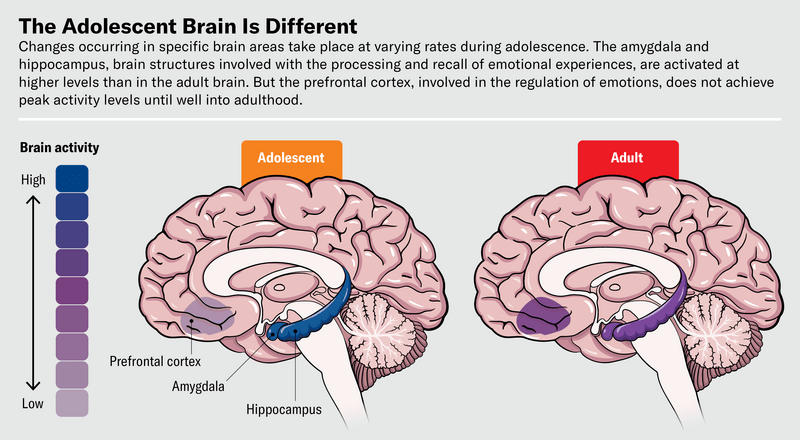
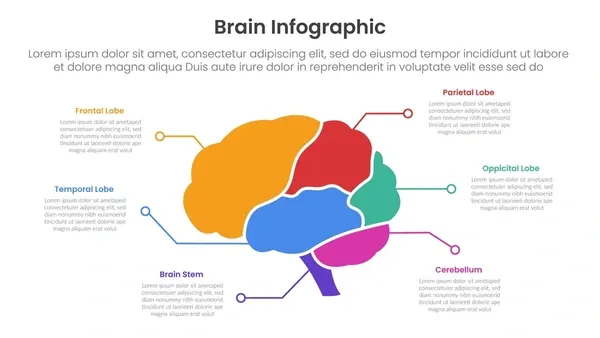
These infographics highlight key brain regions involved in self-discipline, with the prefrontal cortex prominently featured.
Together, these systems form a dynamic network that governs self-regulation. Strengthening this network is the neurological foundation of lasting self-discipline.
Neuroplasticity: How Self-Discipline Rewires the Brain
One of the most exciting discoveries in neuroscience is neuroplasticity—the brain's lifelong capacity to form new connections and prune old ones based on experience. For decades, scientists believed the adult brain was fixed, but research from the 1990s onward (e.g., London taxi drivers' enlarged hippocampi from navigation) proved it adapts continuously.
Self-discipline drives neuroplasticity. Repeated disciplined actions—waking early, studying consistently, or resisting sweets—strengthen synapses in the PFC and related networks. Over time, these pathways become more efficient, making discipline easier and more automatic. A landmark study in Nature Reviews Neuroscience explains how repeated behaviors trigger myelin growth around axons, speeding signal transmission like insulating wires.
Conversely, indulging impulses reinforces reward-driven pathways in the basal ganglia, making bad habits stickier. But plasticity works both ways: deliberate practice of new behaviors can override old ones. For example, someone breaking a smoking habit through disciplined alternatives (e.g., walking when craving hits) literally rewires dopamine pathways toward healthier rewards.
This process takes time—typically 66 days on average for habits to automate, per a European Journal of Social Psychology study—but consistency compounds changes. Small daily acts of discipline accumulate, reshaping your brain for greater resilience, focus, and goal achievement.
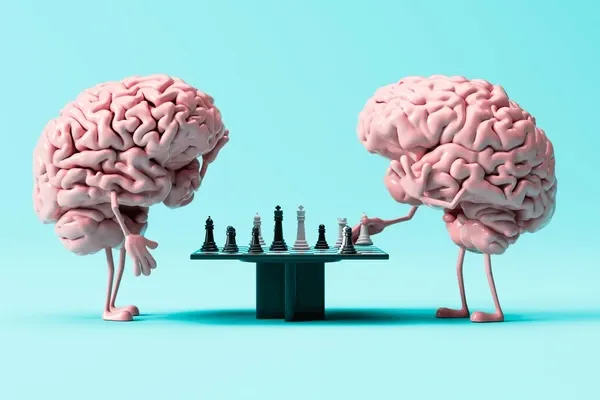
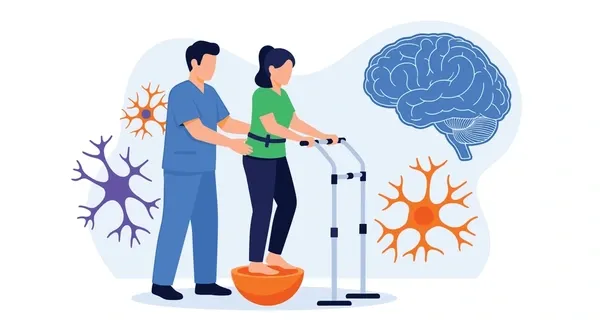
Visuals of neuroplasticity: neurons forming new connections through repeated disciplined actions.
Training the Brain to Stay Focused and Achieve Goals
Goals provide direction, but disciplined focus turns intention into results. Because attention is a limited cognitive resource, effective goal pursuit requires strategies that support the brain’s natural functioning.
- Break Large Goals into Manageable Tasks
Large goals can activate anxiety and overwhelm, which impair focus. Breaking goals into smaller, achievable steps reduces cognitive load and provides frequent reward signals that sustain motivation. - Create and Protect a Schedule
Consistent routines reduce decision fatigue and conserve mental energy. When the brain knows what to expect, it can maintain focus more efficiently. - Prioritize Sleep and Recovery
Sleep restores prefrontal cortex function, strengthens memory consolidation, and improves impulse control. Chronic sleep deprivation weakens discipline at a neurological level. - Take Strategic Breaks
The Pomodoro technique (25 minutes work, 5-minute break) prevents ego depletion. Regular breaks prevent mental fatigue and support sustained attention. Brief periods of rest allow the brain to reset and maintain clarity. - Use Technology Intentionally
Digital tools can reinforce discipline when used deliberately. Calendars, focus timers, and task managers support structure and accountability. - Eliminate Distractions
Each interruption taxes the brain’s attentional system. Reducing notifications and environmental distractions preserves cognitive bandwidth. - Practice Self-Care
Exercise, meditation, social connection, and relaxation strengthen emotional regulation and resilience, which are essential for disciplined focus. Start small: wait 10 minutes before indulging an impulse. - Cultivate Self-Compassion and Reflection — Harsh self-criticism activates stress responses. Journal progress to reinforce positive pathways.
- Incorporate Exercise and Nutrition — Aerobic exercise increases BDNF (brain-derived neurotrophic factor), promoting plasticity. Balanced blood sugar stabilizes mood and focus.
Real-world example: A professional struggling with procrastination might start by scheduling deep work blocks in the morning (when PFC is strongest), using a timer, and rewarding completion with a walk. Over weeks, this rewires habits for productivity.
Self-Discipline and Cognitive Performance
Self-discipline is fundamental to maximizing cognitive performance. Complex thinking requires sustained attention, emotional regulation, and mental endurance. Discipline supports these capacities by filtering distractions, regulating emotional responses under pressure, sustaining motivation, and enhancing decision-making clarity.
Without discipline, cognitive potential remains underutilized. With discipline, the brain operates at a higher and more consistent level, allowing individuals to perform complex tasks with clarity and confidence.
Stress, Self-Discipline, and Learning
Stress and self-discipline exert opposing effects on learning. Acute stress can sharpen focus temporarily, but chronic stress floods the brain with cortisol, impairing memory, attention, and information processing. Over time, excessive stress weakens the prefrontal cortex(PFC) while amplifying emotional reactivity(Amygdala).
Self-discipline counteracts these effects by creating structure, predictability, and emotional balance—conditions under which the brain learns best. Disciplined study routines, clear objectives, and intentional breaks reduce cognitive overload and support memory retention.
Effective learning requires both stress management and disciplined habits(e.g., breathing exercises). Practices such as exercise, mindfulness, and structured schedules help maintain this balance.
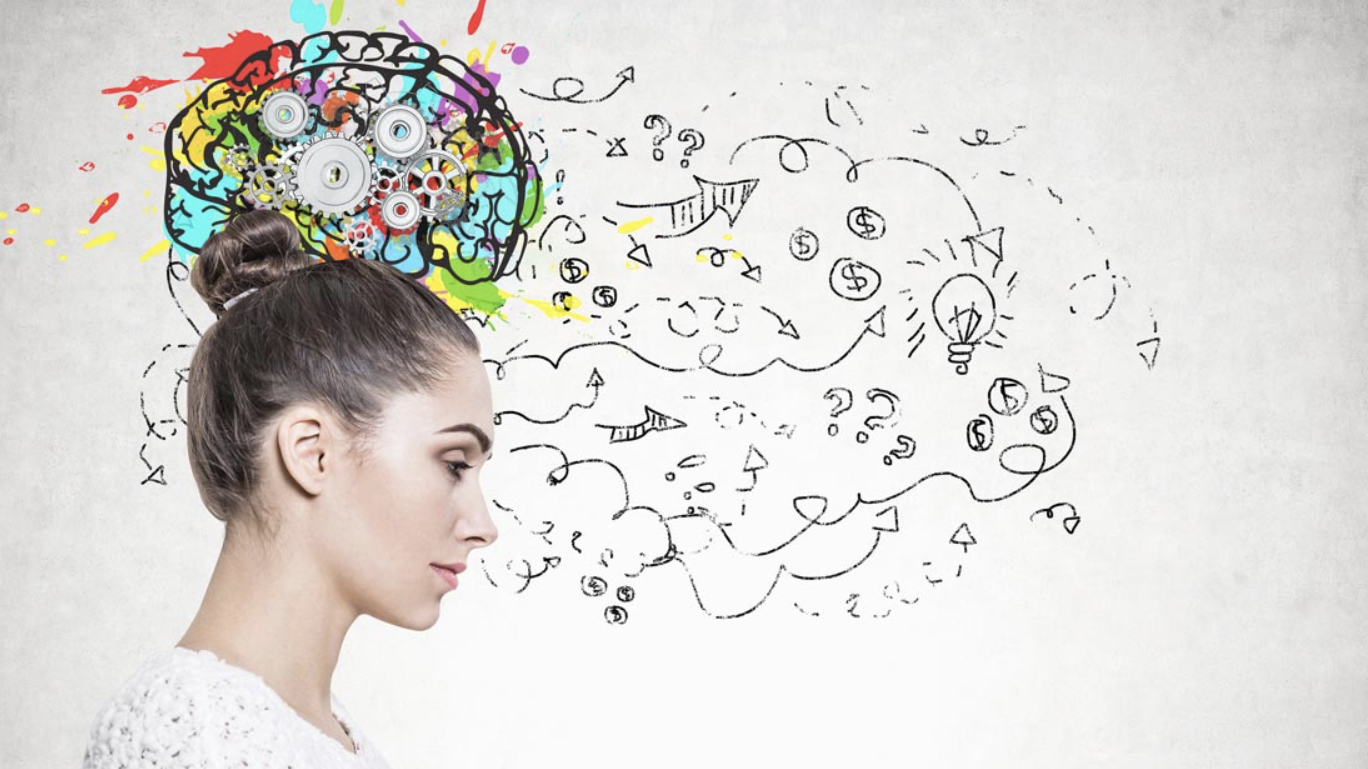
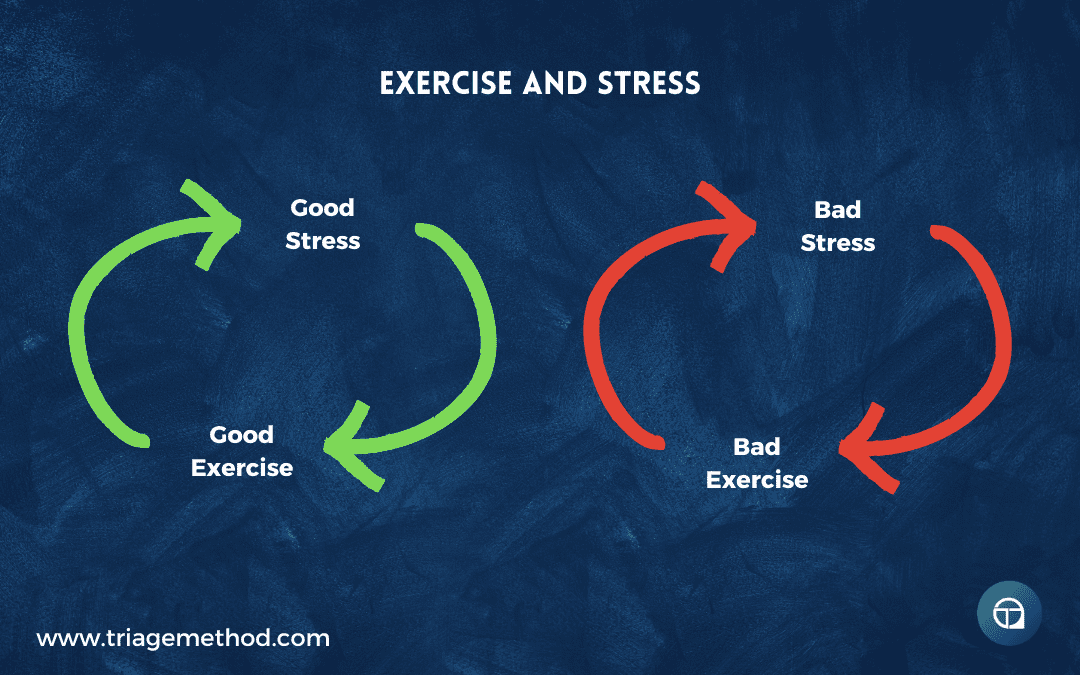
Illustrations contrasting a stressed brain flooded with cortisol versus a calm, disciplined one.
Habits, the Brain, and Why Change Is Difficult
A large proportion of daily behavior is habitual rather than consciously chosen. Habits are encoded as neural “maps” in the basal ganglia. When familiar cues appear, these maps activate automatically, bypassing conscious deliberation.
Breaking a habit requires conscious self-discipline. This involves interrupting the old pattern and repeatedly practicing a new response. With repetition, the new neural pathway strengthens while the old one gradually weakens.
Habit change is not about erasing the past but about replacing unhelpful routines with healthier ones through consistent, intentional action.
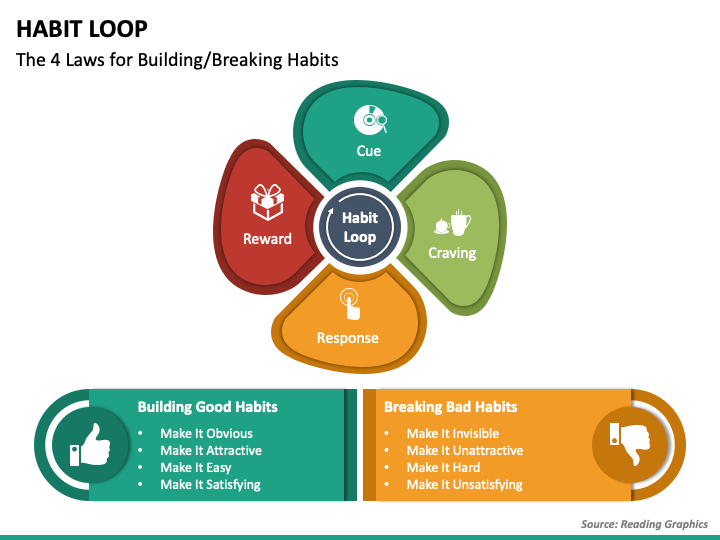
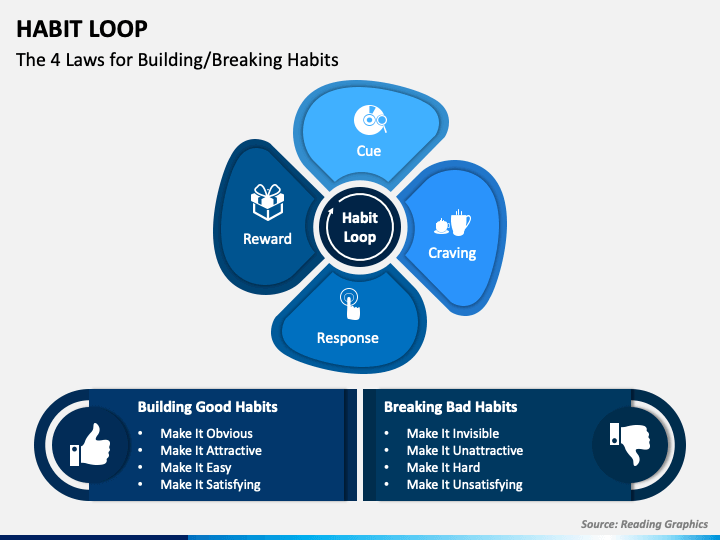
Classic habit loop diagrams, essential for understanding change.
Self-Discipline and Creativity
Contrary to popular belief, self-discipline does not suppress creativity—it enables it. Discipline provides the structure necessary for creative ideas to emerge, develop, and mature.
By limiting distractions and managing emotional stress, disciplined focus creates mental space for exploration and innovation. It also builds confidence, allowing individuals to trust the creative process and follow ideas through to completion.
Creativity flourishes not in chaos, but in an environment where freedom is supported by focus and consistency.
Meditation, Mindfulness, and the Discipline Mindset
Meditation and mindfulness are powerful tools for strengthening self-discipline. These practices enhance awareness, attention control, and emotional regulation—core elements of disciplined behavior.
Regular mindfulness practice strengthens prefrontal cortex function, calms the amygdala, and improves impulse control. Over time, this leads to reduced stress, greater focus, and more consistent goal pursuit.
Mindfulness also cultivates acceptance, reducing self-criticism and emotional reactivity, both of which undermine discipline.
Accessing Peak Brain Performance Through Self-Discipline
Peak performance is not a momentary surge but a sustained state built through disciplined habits. To access your brain’s highest potential:
- Set clear, realistic goals
- Minimize distractions
- Use positive reinforcement
- Take restorative breaks
- Track progress and adjust strategies
Discipline transforms intention into execution and potential into performance. Disciplined individuals visualize goals vividly, engaging the hippocampus for planning. They track progress, adjusting via PFC flexibility. Success stories—from athletes like Michael Phelps to entrepreneurs like Elon Musk—highlight routines built on disciplined brains.
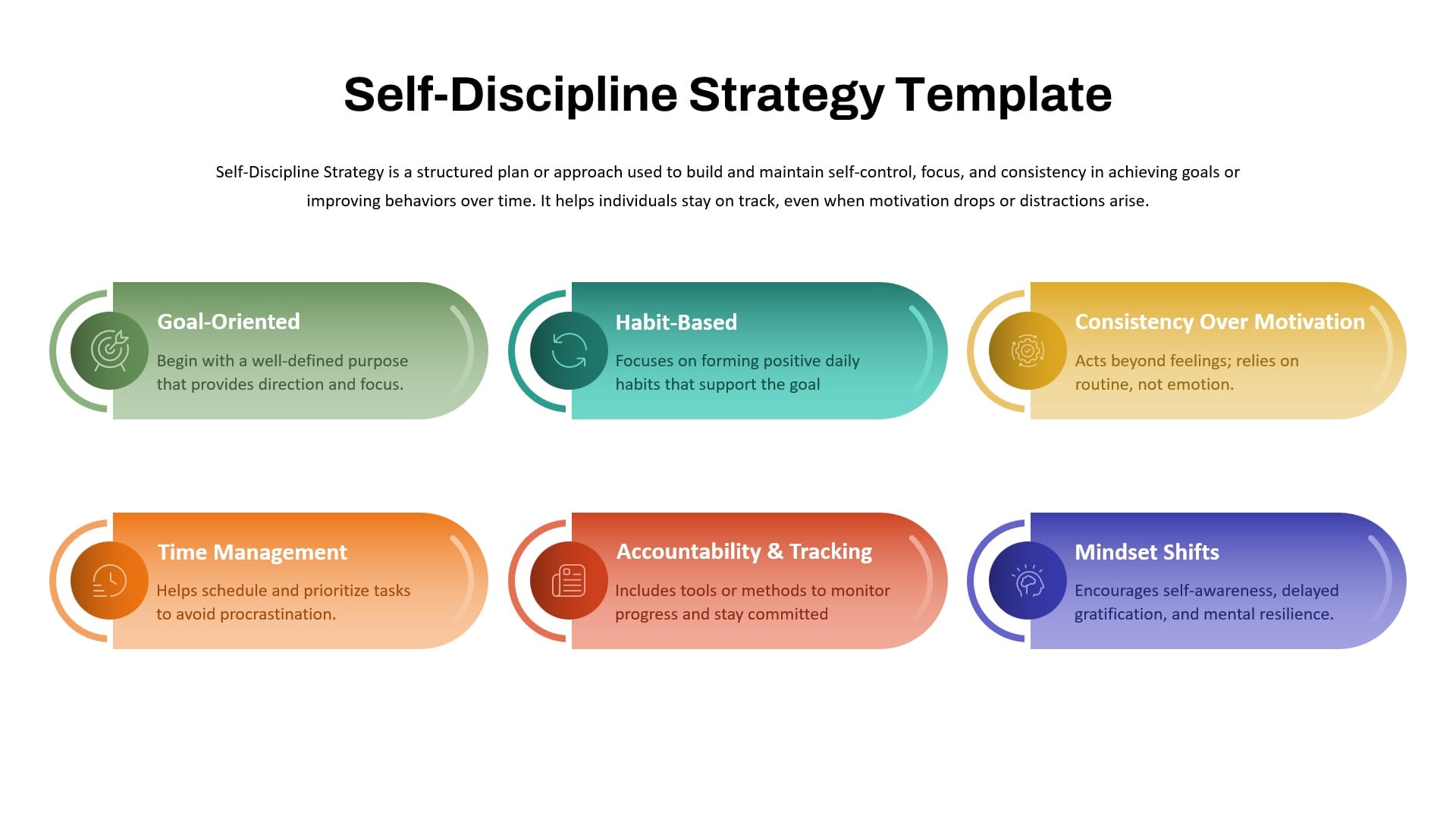

Conclusion: Self-Discipline as a Brain-Based Skill
Self-discipline and the brain are inseparably linked. Discipline is not merely a personality trait but a cognitive skill shaped by neural circuits, habits, and experience. Through intentional practice, stress management, mindfulness, and structured routines, individuals can rewire their brains for focus, resilience, creativity, and success.
Understanding the neuroscience of self-discipline allows us to approach personal growth with clarity and compassion. With consistency and awareness, self-discipline becomes not a struggle, but a strength—one that benefits both individuals and society as a whole.